Construction in Sri Lanka is changing. Rising energy costs, tighter urban plots, climate pressures and new digital tools are reshaping how buildings are designed and built. These are the trends homeowners, developers and businesses should plan for now.
1. Green and energy-efficient buildings
Developers and owners are paying more attention to how much a building costs to run, not just to build. Shading, cross-ventilation, insulated roofs, light-coloured surfaces and efficient glazing cut cooling loads in a tropical climate. Green building rating systems, including those promoted by the Green Building Council of Sri Lanka, give projects a framework to measure performance.
2. Rooftop solar as standard
With electricity tariffs a major household and business expense, rooftop solar is moving from "nice to have" to "design it in from the start". Planning roof orientation, structural capacity, cable routes and inverter space at the design stage avoids costly retrofits.
3. Precast and prefabrication
Precast concrete elements, light-gauge steel and factory-made components shorten programmes, improve quality and reduce site waste and labour dependence. Expect more precast slabs, staircases, boundary walls and modular bathroom pods, especially on apartment and commercial projects.
4. BIM and digital construction
Building Information Modelling (BIM) brings architecture, structure and services into one 3D model. Clashes are found on screen instead of on site, quantities are more accurate, and owners receive a digital record for maintenance. Drones for surveys and progress photos, and cloud-based project reporting, are becoming normal on larger sites.
5. Smart homes and connected buildings
Smart lighting, CCTV, access control, app-controlled air conditioning and energy monitoring are increasingly requested in new homes. The key is to plan conduits, data points and a central cabinet during design so systems can be added or upgraded later.
6. Water: harvesting, reuse and drainage
Heavier rainfall events and urban flooding make on-site rainwater harvesting, permeable paving and better drainage design more important. In many urban areas, rainwater management is now part of the approval requirements.
7. Vertical and mixed-use living
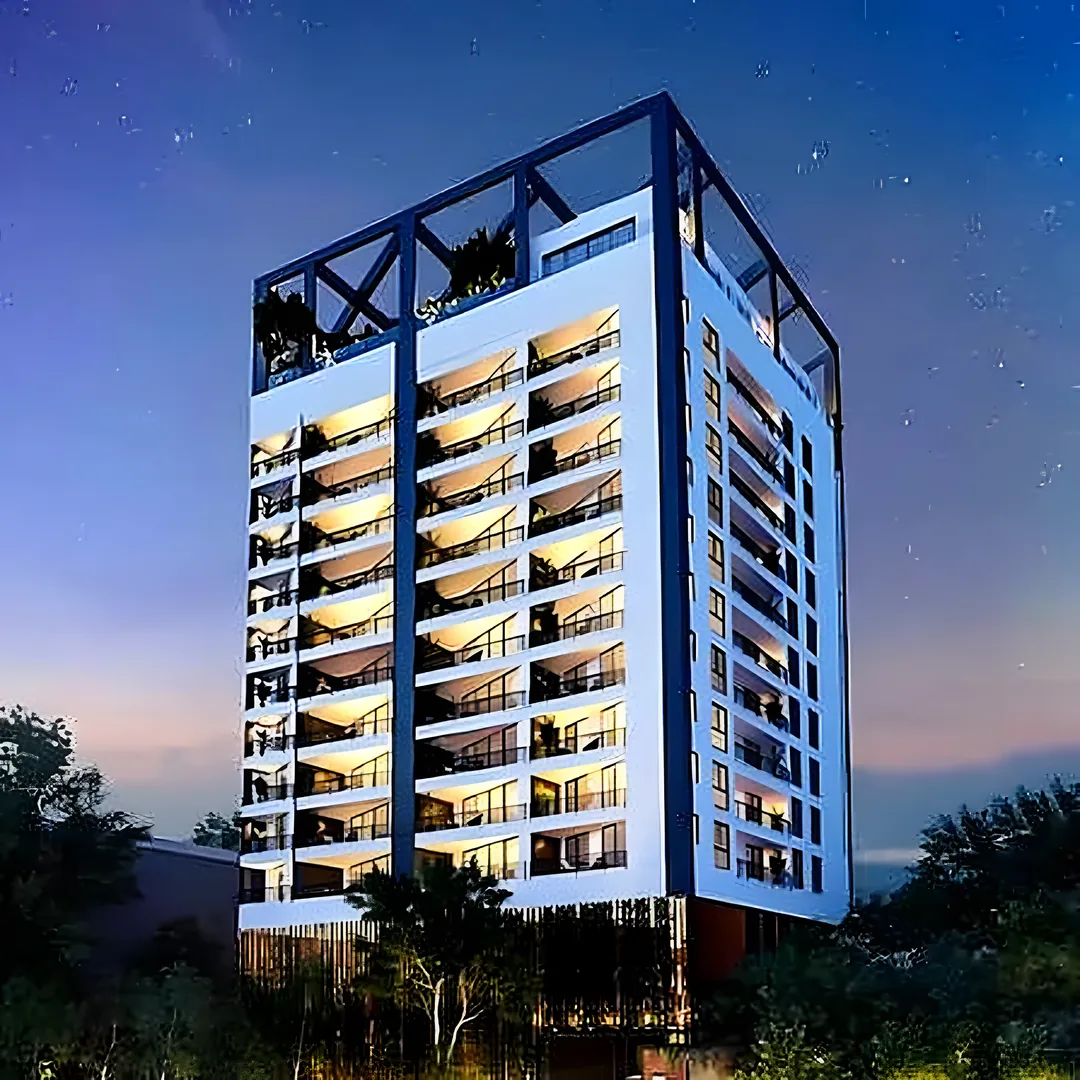
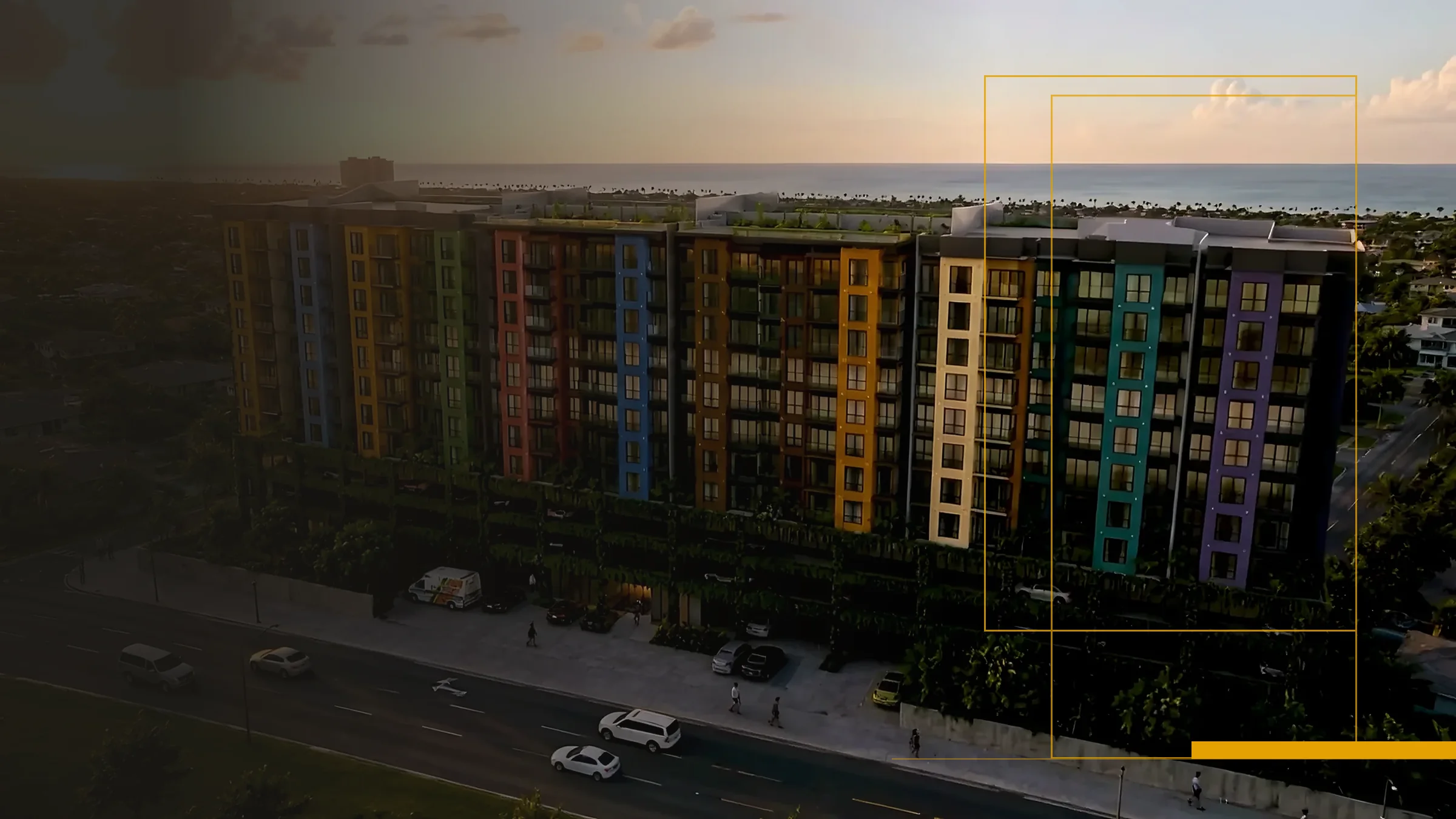
Around Colombo and other cities, land prices continue to push development upwards. Apartments with shared amenities, rooftop gardens and mixed-use podiums are becoming a mainstream choice for families and investors.
8. Climate-resilient design
Raised floor levels in flood-prone areas, landslide-aware design in the hills, corrosion-resistant materials near the coast and stronger roof fixings for high winds are moving from specialist advice to standard practice.
What this means for your project
- Design for running cost as well as build cost.
- Leave structural and space allowance for solar, water tanks and future smart systems.
- Ask your builder how they use precast, BIM and digital reporting.
- Consider resilience to floods, heat and heavy rain from the start.
Quick answers
What are the main construction trends in Sri Lanka?
Energy-efficient and green buildings, rooftop solar, precast and prefabricated construction, BIM and digital tools, smart homes, rainwater management, vertical mixed-use living and climate-resilient design.
Should I plan for solar when building a house?
Yes. Planning roof orientation, structural capacity and cable routes during design is much cheaper than retrofitting solar later.
What is BIM in construction?
Building Information Modelling is a 3D digital model that combines architecture, structure and services, helping teams find clashes early, price accurately and hand over a digital record of the building.
Ready to put numbers to your plans?
Talk to one of our engineers about your project and get a costed quotation.